

Schwinn 130 Upright Bike Manual: A Comprehensive Guide
This manual details the Schwinn 130 upright bike, offering setup, operation, maintenance, and troubleshooting guidance for a secure and effective fitness experience.
The Schwinn 130 upright bike represents a commitment to accessible and effective home fitness. Designed for users of all fitness levels, this bike provides a comfortable and engaging cardiovascular workout. It features a user-friendly console, multiple resistance levels, and integrated heart rate monitoring to help you achieve your fitness goals. This manual serves as a comprehensive resource, guiding you through the assembly, operation, and maintenance of your new Schwinn 130. Understanding each component and function will maximize your workout experience and ensure the longevity of your equipment. Prioritize safety and follow all precautions outlined within this guide.
Unboxing and Initial Setup
Carefully unpack all components from the shipping box, verifying that all parts listed in the parts list are present. Inspect each part for any shipping damage before proceeding. Choose a level surface with at least two feet of clear space around the bike for safe operation. Begin assembly by attaching the base stabilizers to the main frame, ensuring they are securely fastened. Next, connect the front and rear stabilizers. Before fully tightening all bolts, ensure proper alignment. Finally, attach the handlebar post and console, leaving cables loosely connected until the bike is fully assembled.
Parts Identification
The Schwinn 130 includes a robust frame providing stability, a comfortable seat adjustable for various heights, and durable pedals with straps for secure footing. Key components include the console displaying workout metrics, handlebars with integrated pulse sensors, and a resistance knob controlling workout intensity. The crank system efficiently transfers pedal power. Familiarize yourself with the base stabilizers ensuring a level ride, and the flywheel contributing to smooth pedaling. Identify all bolts, washers, and included tools for assembly. Refer to the detailed parts diagram for visual clarification of each component’s location.
Frame and Base Components
The Schwinn 130’s frame is constructed from heavy-gauge steel, ensuring durability and stability during intense workouts. Base components include leveling feet, crucial for adapting to uneven floors and preventing wobbling. These feet are adjustable, allowing for optimal balance. The frame incorporates transport wheels for easy relocation. Examine the weld points for integrity. Note the integrated water bottle holder for convenient hydration. The base provides a solid foundation, supporting the entire bike’s weight and resisting movement. Regularly inspect these components for any signs of wear or damage.
Console and Handlebar Assembly
The Schwinn 130 features a user-friendly LCD console displaying vital workout metrics. Handlebar assembly involves connecting the handlebars to the main frame, ensuring secure tightening of all bolts. The console integrates with pulse sensors, allowing for heart rate monitoring during exercise. Adjust the handlebar height for personalized comfort. Wiring for the console runs internally within the frame. Verify all connections are firm to prevent display malfunctions. The console powers on via an AC adapter. Regularly check the console screen for clarity and responsiveness.
Pedal and Crank System
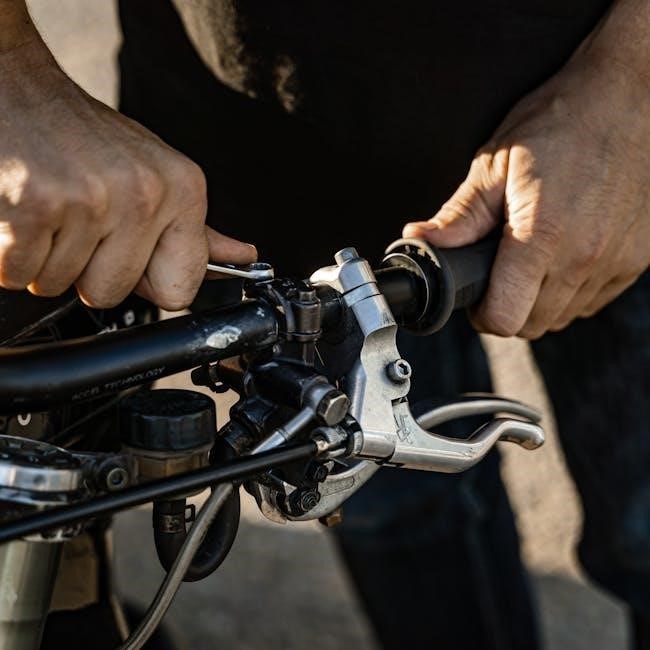
The Schwinn 130 utilizes a durable pedal and crank system for efficient power transfer. Pedals feature adjustable straps to secure feet during workouts. The crank arms connect to the bottom bracket, driving the flywheel. Regularly inspect the pedals for looseness and tighten as needed. Ensure smooth rotation of the crank arms without any unusual noises. The flywheel provides consistent momentum. Proper alignment of the pedal and crank system is crucial for optimal performance. Lubricate the crank arms periodically to maintain smooth operation and prevent wear.

Assembly Instructions — Step-by-Step
Begin by unpacking all components and verifying against the parts list. Attach the front and rear stabilizers to the main frame using the provided hardware, ensuring secure fastening. Next, mount the handlebars to the upright post, connecting the console cables. Install the pedals onto the crank arms, noting left and right designations. Finally, adjust the leveling feet for stability. Double-check all bolts and connections for tightness before initial use. Refer to the detailed diagrams for visual guidance throughout the assembly process.
Console Features and Operation
The Schwinn 130 console displays essential workout metrics like speed, distance, time, calories burned, and pulse rate. Navigate through the various programs using the control buttons, customizing intensity and duration to suit your fitness level. The console allows manual resistance adjustment or selection of preset workout profiles. Utilize the quick start function for immediate exercise or create personalized programs. Ensure proper sensor contact for accurate heart rate monitoring. The backlit display provides clear visibility during workouts, enhancing user experience and data tracking.
Display Functions (Speed, Distance, Time, Calories, Pulse)
The Schwinn 130 console’s display provides real-time feedback on your workout progress. Speed is shown in miles per hour or kilometers per hour, while distance tracks your total mileage. Time displays elapsed workout duration. Calorie burn estimates are calculated based on your weight, resistance level, and workout intensity. Pulse readings, obtained via grip sensors or a chest strap, monitor your heart rate. These functions collectively offer comprehensive data, enabling you to track performance, adjust intensity, and achieve fitness goals effectively.
Program Options and Customization
The Schwinn 130 features a variety of pre-programmed workouts designed to cater to different fitness levels and goals. These include manual mode for self-directed training, hill climb simulations, interval training, and quick start options. Users can customize workouts by adjusting resistance levels throughout the program. The console allows for personalized profiles, storing user data for tailored experiences. Explore diverse programs to challenge yourself, prevent plateaus, and maintain motivation on your fitness journey, maximizing workout effectiveness.
Heart Rate Monitoring
The Schwinn 130 offers convenient heart rate monitoring to optimize workout intensity and track progress. Integrated grip pulse sensors, located on the handlebars, provide real-time heart rate data during exercise. For enhanced accuracy and freedom of movement, the bike is also compatible with optional chest strap heart rate monitors (sold separately). Monitoring your heart rate ensures you stay within your target heart rate zone, maximizing calorie burn and improving cardiovascular fitness. Consistent monitoring aids in achieving personalized fitness goals safely and effectively.
Grip Pulse Sensors
The Schwinn 130 features built-in grip pulse sensors conveniently located on the handlebars. To utilize these sensors, simply hold onto the metallic contacts during your workout. The console will display your current heart rate in beats per minute (BPM). Ensure your hands are clean and slightly damp for optimal contact and accurate readings. Note that grip pulse sensors may be less accurate than chest straps, especially during high-intensity exercise. Consistent hand placement is crucial for reliable data collection during each session.
Chest Strap Compatibility (if applicable)
The Schwinn 130 upright bike is compatible with select Bluetooth chest straps for more accurate heart rate monitoring. While a chest strap isn’t included, pairing one allows for continuous, precise readings, even during vigorous workouts. To connect, ensure the chest strap is transmitting a Bluetooth signal and follow the console’s pairing instructions within the settings menu. A chest strap provides a more reliable heart rate measurement compared to grip pulse sensors, offering valuable data for optimizing your fitness routine and achieving targeted training zones.
Resistance Adjustment
The Schwinn 130 features electronic resistance, offering a wide range of intensity levels to suit all fitness levels. Adjust resistance easily using the console buttons, progressing from beginner-friendly to challenging climbs. Manual adjustments allow for personalized control, while preset programs automatically vary resistance throughout your workout. Explore diverse resistance profiles simulating hills, intervals, or fat burn modes. Consistent resistance application ensures smooth transitions and a comfortable, effective exercise experience; Remember to start at lower levels and gradually increase intensity as your fitness improves.
Manual Resistance Levels
The Schwinn 130 allows precise control over your workout intensity through manual resistance adjustments. Utilize the clearly marked resistance buttons on the console to incrementally increase or decrease the challenge. Each level provides a distinct feel, enabling you to tailor the exercise to your specific needs and preferences. Start with lower levels for warm-ups or recovery, and progressively increase for more vigorous training. Experiment to find the optimal resistance for effective calorie burn and muscle engagement. Consistent manual adjustments promote personalized fitness gains.

Preset Programs and Resistance Profiles
The Schwinn 130 features a variety of pre-programmed workouts designed to diversify your fitness routine. These programs automatically adjust resistance levels throughout your session, simulating different terrains or training styles. Options may include hills, fat burn, cardio, and interval training. Each profile offers a unique challenge, targeting specific fitness goals. The console displays the current resistance level and remaining time for each program segment. Explore these presets to enhance motivation and achieve optimal results, eliminating the need for constant manual adjustments.
Maintenance and Care
Regular maintenance ensures the longevity and optimal performance of your Schwinn 130. Periodically inspect all components for wear and tear, tightening any loose bolts or screws. Keep the bike clean by wiping down the frame and console with a damp cloth. Avoid abrasive cleaners. Lubricate the moving parts, like the pedal crank, with a silicone-based lubricant. Check the belt tension regularly; excessive looseness can affect resistance. Following these simple steps will help maintain a smooth, safe, and enjoyable workout experience for years to come.
Cleaning Procedures
Maintaining a clean Schwinn 130 is crucial for hygiene and longevity. Regularly wipe down the frame, handlebars, and console with a soft, damp cloth. Avoid harsh chemicals or abrasive cleaners, as these can damage the surfaces. For stubborn grime, a mild soap solution can be used, followed by a clean water rinse and thorough drying. Pay attention to the areas around the pedals and base, removing any dust or debris. Consistent cleaning prevents buildup and ensures a pleasant workout environment, preserving the bike’s appearance and function.
Lubrication Points
Proper lubrication extends the life of your Schwinn 130. Periodically apply a silicone-based lubricant to the pedal axles to ensure smooth rotation. The crank arms should also receive lubrication at their pivot points. Avoid using oil-based lubricants, as they attract dust and grime. Inspect the flywheel area; while typically sealed, check for any signs of friction. Regularly lubricating these key areas minimizes wear and tear, preventing squeaks and ensuring a consistently fluid and quiet riding experience. Always wipe away excess lubricant to prevent slippage.
Belt Tension Adjustment
Maintaining correct belt tension is crucial for smooth operation. The Schwinn 130 utilizes a belt drive system, requiring periodic tension checks. If the belt feels excessively loose, causing slippage during intense workouts, adjustment is needed. Locate the adjustment bolt near the rear of the bike frame. Tighten incrementally, testing the tension after each small adjustment. Avoid over-tightening, as this can strain the motor and bearings. A properly tensioned belt will provide a firm, consistent feel without excessive resistance or noise.
Troubleshooting Common Issues
Encountering problems? This section addresses frequent concerns. If the console fails to power on, verify the power cord connection and outlet functionality. For pedal resistance issues, ensure the resistance knob is properly engaged and hasn’t slipped. Unusual noises often indicate loose bolts – systematically check and tighten all connections. If the console display freezes, try a power cycle (unplug, wait, replug). Persistent issues may require contacting Schwinn support for specialized assistance, referencing your model number for efficient resolution.
Console Not Powering On
A non-responsive console can stem from several causes. First, meticulously check the power cord’s secure connection to both the bike and a functioning wall outlet. Test the outlet with another device to confirm power delivery. Inspect the power cord itself for any visible damage, like fraying or cuts. If using an extension cord, ensure it’s rated for the bike’s power requirements. A blown fuse within the bike (if applicable) could also be the culprit; consult the warranty section for replacement guidance.
Pedal Resistance Problems
Inconsistent or absent pedal resistance often indicates issues with the resistance mechanism. Begin by verifying the resistance knob or buttons are correctly adjusted and haven’t slipped. Examine the flywheel area for any obstructions, like clothing or debris, hindering smooth rotation. A loose or damaged drive belt can also cause resistance problems; inspect it for wear and tear. If the issue persists, the brake pad assembly might require adjustment or replacement. Consult a qualified technician if you’re uncomfortable performing these checks yourself.
Safety Precautions
Prioritize safety during Schwinn 130 use. Always inspect the bike before each workout, ensuring all parts are secure and functioning correctly. Maintain a firm grip on the handlebars and position your feet securely on the pedals. Avoid excessive speed or jerky movements. If experiencing pain or dizziness, immediately stop exercising. Keep children and pets away from the bike during operation. Never operate the bike outdoors or in damp environments. Regularly check for wear and tear, and discontinue use if damage is detected.
Warranty Information
Schwinn provides a warranty for the 130 upright bike, covering defects in materials and workmanship. The frame is typically covered for a longer period, often seven years, while parts are covered for one to two years. Electrical components and labor usually have a shorter warranty duration, around 90 days. Retain your proof of purchase for warranty claims. The warranty is void if the bike is misused, abused, or modified. Contact Schwinn customer support for detailed warranty terms and claim procedures.
Frequently Asked Questions (FAQ)
Q: Why won’t the console power on? Check the power adapter and ensure it’s securely connected. Q: How do I adjust the resistance? Use the resistance buttons on the console. Q: Can I track my workouts online? Compatibility with Schwinn’s app or other fitness platforms may exist. Q: How often should I lubricate the bike? Lubricate moving parts monthly. Q: What is the maximum user weight? Typically 300lbs, but verify in your manual. Q: Where can I find replacement parts? Contact Schwinn directly or authorized retailers.
Contact Information for Support
For immediate assistance with your Schwinn 130, visit the official Schwinn website at schwinnfitness.com. There, you’ll find a comprehensive FAQ section and troubleshooting guides. Alternatively, you can reach their customer support team via phone at 1-800-605-7611, available Monday-Friday, 9 AM to 5 PM CST. Email support is also accessible through the website’s contact form. For replacement parts inquiries, navigate to the parts section on the Schwinn website or contact an authorized retailer. Ensure your model number is ready when contacting support.
Disposal and Recycling Information
When your Schwinn 130 reaches the end of its lifespan, responsible disposal is crucial. Do not simply discard it with regular waste. Check with your local municipality for electronic waste (e-waste) recycling programs, as the console contains electronic components. Alternatively, explore options for metal recycling, separating the frame and other metal parts. Some retailers offer take-back programs for fitness equipment. Consider donating the bike if it’s still functional to a local charity or community center. Proper disposal minimizes environmental impact.