
Form 8915‑F is a permanent IRS form that allows taxpayers who received early COVID‑19 related distributions from qualified retirement plans in 2020 to claim the credit. It replaces the temporary 2020 form and can be filed with any tax return for the year the credit is claimed. Filed with tax return. 2026!
Form 8915‑F was created to give taxpayers a straightforward method to claim a tax credit for early withdrawals taken from qualified retirement plans in 2020 due to the COVID‑19 pandemic. The credit equals 10% of the distribution amount, up to a maximum of $1,000 per taxpayer or $2,000 for married couples filing jointly. It allows the taxpayer to report the distribution, compute the credit, and apply it against the tax liability for the year in which the credit is claimed. The form supersedes the temporary 2020 form and is available for any tax year, making it a “forever” form. The credit can be claimed on any federal income tax return, including amended returns, and is reported on the same return that includes the distribution. The purpose is to provide relief for individuals who faced financial hardship during the pandemic and to encourage compliance by offering a clear, permanent solution. By simplifying the process, the IRS aims to reduce administrative burdens for both taxpayers and the agency while maintaining accurate reporting of retirement account distributions and associated tax benefits. This clarity is essential for taxpayers who may have multiple retirement accounts or who are filing amended returns, as it ensures consistency across all filings. Ultimately, the purpose of Form 8915‑F is to provide a clear, accessible, and permanent tool for taxpayers to recover part of the tax impact of early COVID‑19 withdrawals, thereby supporting financial stability during an unprecedented public health crisis.
Eligibility Requirements
Eligibility for the Form 8915‑F credit requires that the taxpayer have taken an early distribution from a qualified retirement plan in 2020 due to the COVID‑19 pandemic. The distribution must be an early withdrawal, not a normal retirement distribution, and the taxpayer must have used the funds for qualified medical expenses, health insurance premiums, or pandemic‑related hardships. The credit is limited to 10% of the distribution, capped at $1,000 for single filers or $2,000 for joint filers. The taxpayer must not have already claimed the credit on a prior return or on an amended return for the same distribution. The taxpayer must file Form 8915‑F with the tax return for the year the credit is claimed. The taxpayer must retain documentation such as the plan’s distribution statement and proof of pandemic hardship. Proper record‑keeping helps avoid denial during audits. Eligibility also requires that the taxpayer’s filing status be valid for the year the credit is claimed and that the taxpayer is not a dependent on another return. The credit cannot be claimed if a hardship withdrawal was taken for the same distribution under a different provision. This credit is available for all qualifying taxpayers.
Eligibility is critical for claiming the credit. The taxpayer must ensure compliance with all IRS guidelines. The credit cannot be claimed if the distribution was taken for non‑COVID reasons. The taxpayer must also verify that the distribution was not a rollover. All documentation must be kept for at least three years.
Taxpayers should consult a tax professional to confirm eligibility before filing.
Filing Procedures and Deadlines
Taxpayers file Form 8915‑F with their annual return for the year the credit is claimed. The form is due by the regular tax‑return deadline, typically April 15, unless an extension is filed. Extensions grant additional time but do not extend the credit’s eligibility period. E‑File submissions accepted until deadline.
When to File the Form
Form 8915‑F must be attached to the taxpayer’s annual federal income‑tax return for the year in which the credit is claimed. The credit is available for any tax year after 2020, provided the taxpayer received a qualifying COVID‑19 distribution from a qualified retirement plan in 2020. The form is due on the same day the return is due—normally April 15 of the following year—unless the taxpayer files for an extension. A Form 4868 (Application for Automatic Extension of Time to File) gives an additional six months, extending the filing deadline to October 15, but the extension does not extend the period during which the credit can be claimed; the credit must still be claimed on a return filed by the extended deadline.
For example, a taxpayer who received a distribution in 2020 can claim the credit on a 2021 return filed by April 15, 2022, or on a 2022 return filed by April 15, 2023, and so forth. The IRS allows the credit to be claimed in any subsequent year, but the taxpayer must keep detailed records of the distribution amount, the date received, and the credit amount claimed. If the taxpayer files a return late—after the due date or the extension deadline—the credit may be lost, even if the taxpayer later submits the form. Therefore, it is advisable to file the return and the attached Form 8915‑F as early as possible to avoid potential errors and to ensure the credit is correctly applied to the tax liability.
Electronic filing is encouraged; the IRS e‑File system accepts Form 8915‑F as a separate attachment or embedded within the return. For paper filing, the completed form must be mailed to the address specified in the instructions, which varies depending on the taxpayer’s state of residence. Retain a copy of the completed form and all supporting documentation for at least three years in case of an audit. The IRS may request proof of the distribution and the amount of the credit claimed, so accurate record‑keeping is essential.

Extension Options and Penalties
Taxpayers who file Form 8915‑F late may face penalties. The IRS imposes a 5% penalty on the tax due for each month the return is late, up to a maximum of 25%. However, the credit itself is not subject to the penalty; only the tax liability is penalized. If the taxpayer files for an automatic extension using Form 4868, the penalty is waived for the period covered by the extension, but the credit must still be claimed on the return filed by the extended deadline. Failure to file the credit on time can result in the loss of the credit entirely, even if the taxpayer later submits the form. Penalties for failure to file the return itself are separate from the credit penalty and can include a 5% penalty per month, up to 25%, plus interest on unpaid tax. Taxpayers can request penalty abatement if they can demonstrate reasonable cause, such as illness or natural disaster, by filing Form 843. The IRS will review the request and may waive penalties if the taxpayer has a history of compliance. It is important to keep accurate records and file promptly to avoid unnecessary penalties and ensure the credit is applied to the tax return. Extensions do not extend the period during which the credit can be claimed on the return filed by the extended deadline. If a taxpayer files after the extended deadline, the credit is forfeited. Interest accrues on any unpaid tax at the IRS prescribed rate, compounded daily. The IRS may also assess a failure-to-file penalty of 5% per month, up to 25%, and a failure-to-pay penalty of 0.5% per month, up to 25%. Taxpayers should file electronically to receive confirmation of receipt and to avoid mailing delays. Taxpayers file avoid delays.
Step-by-Step Completion Guide
Enter name, SSN, filing status. List each COVID‑19 distribution, amount, and plan. Compute credit: 10% of distribution minus prior credits. Attach completed form to your tax return. File electronically ASAP!!
Personal Information and Account Details
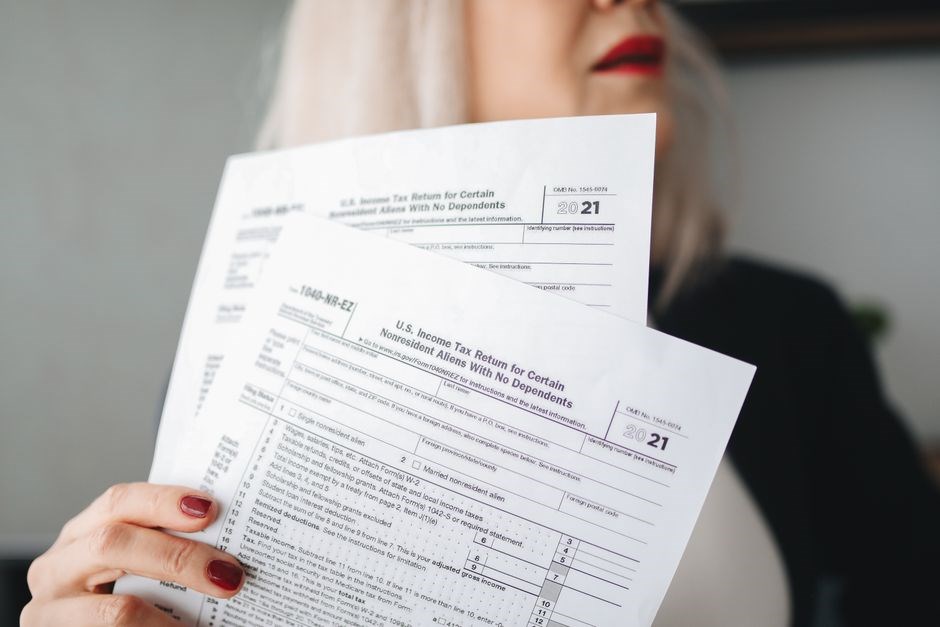
Begin by entering your full legal name exactly as it appears on your Social Security card, followed by your Social Security Number (SSN). Include your current residential address, city, state, and ZIP code. Specify your filing status (single, married filing jointly, etc.) and any dependents claimed on the return.
Next, provide the details of each qualified retirement plan from which you received a COVID‑19 related early distribution in 2020. For each plan, list:
- Plan name and type (e.g., 401(k), IRA, Roth IRA).
- Plan administrator’s name and contact information.
- Plan account number and any sub‑account identifiers.
- Distribution amount received in 2020 and the date of distribution.
- Any prior credit claimed for the same distribution on a previous return.
Ensure that the sum of all distribution amounts matches the total reported on the form. If you received multiple distributions from the same plan, list each separately to avoid confusion. Double‑check that the SSN and account numbers are entered correctly, as errors can delay processing or trigger an audit. Once all fields are completed, review the information for consistency before moving to the credit calculation section.
After completing the personal and account sections, double‑check that all SSNs and account numbers are accurate. Any mismatch can trigger an audit. Keep copies of plan statements and distribution notices for at least three years. This documentation supports your credit claim
Reporting Early Distributions and Calculating the Credit
To report a COVID‑19 early distribution, enter the total amount received in 2020 on line 1 of Form 8915‑F. If you received multiple distributions from the same plan, list each separately on lines 2–5, then sum them on line 6. The credit is 100 % of the distribution amount, but it cannot exceed the taxpayer’s taxable income for the year the credit is claimed. Use the “Taxable Income” figure from your Form 1040 or 1040‑SCHEDULE A. Subtract the credit from the taxable income; if the result is negative, the credit is limited to the remaining income. If you already claimed a credit for the same distribution on a prior return, enter the amount claimed previously on line 7 and subtract it from the current credit. The remaining credit is reported on line 8 and transferred to the appropriate line on your Form 1040. Always attach a copy of the distribution statement from the plan administrator to substantiate the credit. Verify that the credit does not exceed the taxpayer’s total income, and correct any discrepancies before filing to avoid penalties.
When calculating the credit, remember that the maximum allowable credit equals the lesser of the distribution amount or the taxpayer’s taxable income. If your taxable income is less than the distribution, the credit is limited to that income. The credit is applied to the tax liability on line 23 of Form 1040. If the credit exceeds your tax liability, the excess is carried forward to the next tax year.
Check the worksheet carefully.
Interaction with Other Tax Credits and Deductions
Form 8915‑F credits do not combine with other ret plan credits. If you claim a credit for a COVID‑19 distribution, you must reduce any other plan‑related credit by the same amount to avoid double counting. The credit is applied after other adjustments.
Impact on Retirement Plan Credits
When a taxpayer elects to claim the COVID‑19 distribution credit on Form 8915‑F, the amount of the credit is deducted from the total credit available for other qualified retirement plan adjustments. The IRS specifies that the credit for early distributions cannot be combined with the standard retirement plan credit for the same distribution. Consequently, if a taxpayer has already claimed the retirement plan credit for a distribution, they must reduce that credit by the amount of the 8915‑F credit to avoid double‑counting. This rule applies to all types of qualified retirement plans, including 401(k), 403(b), 457(b), and IRA distributions. The adjustment is made on the taxpayer’s main return, and the credit is applied after other adjustments such as the standard deduction or itemized deductions. Failure to reduce the retirement plan credit can result in an over‑credit, which may trigger an audit or adjustment by the IRS. Taxpayers should carefully review the instructions for both Form 8915‑F and the retirement plan credit section of the tax return to ensure compliance. The IRS provides worksheets to calculate the correct credit amounts and to document the reduction of the retirement plan credit. By following these guidelines, taxpayers can maximize their credit while remaining compliant with IRS regulations. Additionally, the credit adjustment does not affect the taxpayer’s eligibility for the standard deduction or the personal exemption, but it does influence the overall taxable income reported on the return. The IRS requires that the taxpayer attach a statement explaining the credit calculation and the reduction applied to the retirement plan credit. This statement should include the distribution amount, the credit amount claimed on Form 8915‑F, and the resulting adjusted retirement plan credit. Taxpayers are encouraged to keep copies of the original distribution statements and any correspondence from the retirement plan administrator to support the credit claim. The IRS may request these documents during a review of the return. Proper documentation helps prevent misunderstandings and ensures that the credit is applied correctly. By carefully following the instructions and maintaining thorough records, taxpayers can confidently navigate the interaction between the 8915‑F credit and other retirement plan credits. Finally, taxpayers should consult a tax professional if they are uncertain about the credit calculations or the impact on other credits. The IRS provides guidance through the official instructions and published FAQs, which clarify common scenarios and potential pitfalls.
How to Avoid Double-Counting Credits
To avoid overlapping credits, start by listing every credit you plan to claim on the return. For each COVID‑19 distribution, compute the credit on Form 8915‑F with the worksheet in the instructions. Then, in the retirement plan credit section, subtract the 8915‑F amount from any credit already claimed for that distribution. Record the original credit, the 8915‑F reduction, and the net credit on a separate line of the return. Attach a brief statement that explains the adjustment, citing the distribution date, amount, and the credit reduction. Keep the original distribution statement and any plan administrator correspondence; these documents back the adjustment if the IRS asks. Use the IRS “Credit Adjustment Worksheet” to confirm that the total of all credits does not exceed the statutory limit. After completing the return, review it for consistency: the adjusted retirement plan credit must be reflected in the total tax liability, and the 8915‑F credit should not appear elsewhere. By following these steps and maintaining clear documentation, you can confidently avoid double‑counting and satisfy IRS requirements. If a discrepancy is found after filing, file an amended return with Form 1040‑X and include the corrected credit amounts. The IRS will review the amendment and adjust your liability. Consult a tax professional if you are unsure about the calculations or if your plan has multiple distributions in the same year. Always double‑check the figures before final submission to ensure accuracy and avoid any misreporting.
Common Errors and How to Avoid Them
Common mistakes include reporting distribution amounts, omitting worksheet, and failing to attach the required 8915‑F form. Double‑counting credits or using incorrect tax year can trigger penalties. Verify each line, keep records, and consult guidance. All calculations must be accurate to avoid audit!
Incorrect Income Reporting Issues
When filing Form 8915‑F, many taxpayers mistakenly report the total distribution amount rather than the portion eligible for the credit. The IRS requires the specific COVID‑19 related distribution figure, excluding any amounts that were rolled over or already taxed. If the reported income exceeds the eligible amount, the credit calculation will be wrong, leading to an over‑credit and potential refund adjustments. Additionally, some filers include unrelated early withdrawals, such as those taken for medical expenses, which are not covered by the credit. The correct approach is to isolate the COVID‑19 distribution, verify the amount on the 1099‑R, and enter it precisely in line 1 of the form. Always cross‑check the distribution code (e.g., “C” for COVID‑19) to confirm eligibility. Failure to do so may result in a denied credit and a notice from the IRS. To avoid these pitfalls, keep a copy of the original distribution statement, use the IRS worksheet to calculate the credit, and double‑check that the amount entered matches the qualified distribution. If you discover a mistake after filing, file an amended return using Form 1040X and attach a corrected 8915‑F. This proactive step can prevent future penalties and ensure compliance with the IRS guidelines for the credit.
Toagain now accuracyverify distribution code on the 1099‑R.
The IRS worksheet helps prevent misreporting.
Keep a copy of all supporting documents.
If you are unsure, consult a tax professional.

Filing the correct amount reduces audit risk.
Record the credit calculation for future reference.
Missing Documentation and Compliance Tips
To secure the COVID‑19 credit on Form 8915‑F, taxpayers must preserve all supporting documents that prove the distribution was taken for the pandemic. The IRS requires the original 1099‑R, the distribution statement, and any correspondence that confirms the COVID‑19 hardship. Keep copies of the plan’s hardship policy and the written request that triggered the early withdrawal. Attach a copy of the plan’s hardship letter if available. If the distribution was made by a third‑party administrator, retain the confirmation email or letter that identifies the distribution code and the amount eligible for the credit. For those who used a rollover, keep the rollover confirmation and the IRS notice that the rollover was not treated as a taxable event. Store all documents in a secure location for at least three years, as the IRS may request them during an audit. When filing, reference the specific line numbers on the 1099‑R that correspond to the COVID‑19 distribution to avoid confusion. If you are unsure whether a document is required, consult the IRS Publication 590‑A or seek advice from a qualified tax professional. By maintaining a complete file, you reduce the risk of a denied credit and streamline any future compliance checks.
- Keep the original 1099‑R, hardship letter, and plan correspondence together.
- Document the distribution date and purpose in a written statement for your records.
- Store copies of the IRS notice confirming the rollover was not taxable.